
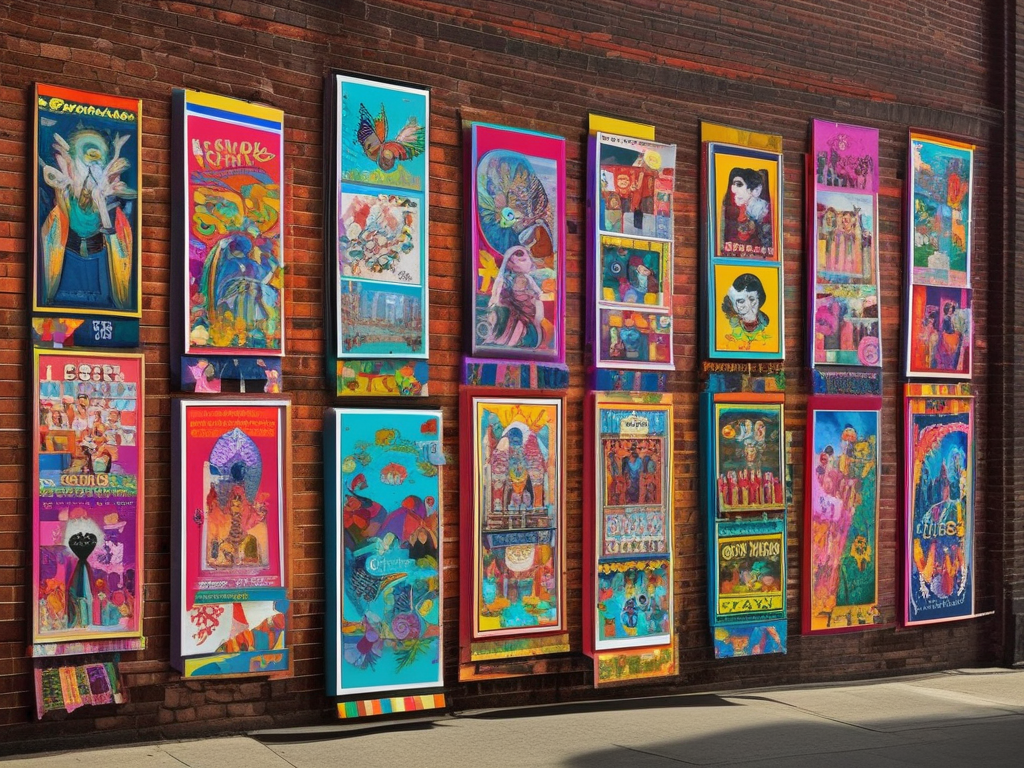
While driving this week, I paused at a stoplight and witnessed a man stepping onto the road to deliver a street performance. What caught my attention even more was a poster on the sidewalk that seemed to be advertising street performers. It was an unexpected and delightful moment amidst the usual hustle and bustle of the city streets.
Street performers, often referred to as buskers, are artists who bring their craft to public spaces, offering spontaneous and often impromptu performances for the enjoyment of passersby. These performers can range from musicians, magicians, dancers, and mimes to jugglers, painters, and even living statues. The tradition of street performance is ancient, with roots in many cultures around the world, and it continues to be a vibrant and integral part of urban life.
Street Performers as Artists
1. Creativity and Skill
Street performers often demonstrate extraordinary levels of creativity and skill, honed through years of practice and passion. Like traditional artists, they use their talents—whether in music, dance, theater, or visual arts—to express emotions, tell stories, and engage with audiences. The spontaneous and often improvisational nature of their work reflects an innate ability to adapt and innovate, much like any artist working within the confines of a studio or stage.
For instance, a musician playing a guitar on a sidewalk is not merely playing notes but is often crafting an atmosphere, drawing inspiration from the environment, and creating a unique soundscape that resonates with the place and time. Similarly, a mime artist or a street dancer choreographs their movements with precision and emotion, transforming ordinary urban spaces into vibrant canvases of human expression.
2. Cultural Storytelling
Street performers are also important cultural storytellers. They often bring traditional art forms, music, and dances from their cultures to the public, preserving and sharing these practices with a broader audience. This dissemination of culture is a crucial aspect of their artistry, as it keeps cultural heritage alive and introduces diverse art forms to people who might not otherwise encounter them.
For example, a flamenco dancer performing on a city street introduces passersby to the rich history and emotion of Spanish culture. A poet reciting verses in a public square might share personal or political insights that challenge or inspire the audience. In this way, street performers contribute to the cultural and artistic tapestry of a city.
3. Public Interaction and Engagement
One of the defining characteristics of street performance as an art form is the direct interaction with the public. Unlike traditional artists who may create in isolation, street performers engage directly with their audience. This engagement is an art in itself, requiring performers to read and respond to the crowd, adjust their performances on the fly, and create an inclusive atmosphere where the public feels involved.
This dynamic interaction blurs the line between performer and audience, creating a shared experience that is as much about the audience’s reaction as it is about the performer’s art. This immediacy and responsiveness are key elements of the artistic process for street performers, making their work uniquely engaging and impactful.
Street Performance as Artistic Free Speech
1. Expression in Public Spaces
Street performance is a form of artistic free speech because it takes place in public spaces where freedom of expression is a fundamental right. Performers use their art to express themselves, communicate ideas, and engage with society in a direct and often unmediated way. This public expression is crucial in a democratic society, where different voices and perspectives need space to be heard.
For example, a street musician might use their songs to comment on social or political issues, a performance artist might create a piece that critiques consumer culture, or a visual artist might create sidewalk chalk art that celebrates community values. These performances are not just entertainment; they are acts of expression that contribute to public discourse.
2. Accessibility and Inclusivity
One of the most powerful aspects of street performance as artistic free speech is its accessibility. Unlike performances in theaters or galleries, which often require payment or invitation, street performances are free and open to all. This inclusivity ensures that art and culture are accessible to everyone, regardless of their economic or social status.
By bringing art into public spaces, street performers democratize access to culture and create opportunities for everyone to experience and participate in artistic expression. This openness is a vital aspect of their work, making art a part of everyday life rather than something confined to elite institutions.
3. Challenging Norms and Inspiring Change
Street performers often challenge societal norms and provoke thought through their art. They can address controversial topics, question the status quo, and inspire change through their performances. This makes street performance a powerful tool for social and political commentary, similar to other forms of protest or public speech.
For instance, performance artists might use their bodies and actions to draw attention to issues like climate change, inequality, or human rights. A musician might write and perform songs that highlight social injustices or bring attention to marginalized communities. By doing so in public spaces, these artists make their messages more visible and harder to ignore, engaging a wide audience in important conversations.
Legal and Social Recognition
The recognition of street performance as artistic free speech is not just a matter of public perception but also of legal and social acknowledgment. In many places, laws protect the rights of street performers to express themselves in public spaces, as long as they do not cause disruption or harm. This legal framework supports the idea that street performance is a legitimate form of art and expression, deserving of the same protections as other forms of speech.
However, street performers often face challenges, such as restrictive regulations, public misunderstandings, or even harassment. Advocating for their rights and educating the public about the value of street performance as art is crucial in ensuring that these artists can continue to enrich public spaces with their creativity and expression.
The Art of Street Performance
Street performers choose public spaces—such as sidewalks, plazas, parks, and transportation hubs—as their stages. Unlike traditional performance venues like theaters or concert halls, street performances are accessible to everyone, regardless of their background or socioeconomic status. This inclusivity makes the art form unique and democratic.
Buskers typically rely on voluntary contributions from their audience. This means their livelihood often depends on their ability to captivate and engage people, even if only for a few minutes. The spontaneity and unpredictability of the environment add a layer of excitement and challenge for the performer. They must adapt quickly to varying crowd sizes, weather conditions, and even the occasional interference from authorities or other performers.
The Excitement of Street Performances
There is something magical about encountering a street performance, especially when it is unexpected. The excitement comes from several aspects:
- Spontaneity and Surprise: One of the most thrilling aspects of street performances is the element of surprise. You might be walking down the street, lost in thought, when suddenly a musician’s melody catches your ear, or a dancer’s movements captivate your attention. These moments break the monotony of everyday life, turning an ordinary stroll into an extraordinary experience.
- Connection and Intimacy: Unlike staged performances where there’s often a clear boundary between the performer and the audience, street performances are intimate. The audience is close, often just a few feet away, creating a direct connection between the performer and the viewer. This proximity allows for a more personal and engaging experience, as the performer can interact with the crowd, responding to their reactions in real time.
- Cultural Diversity and Creativity: Street performances often showcase a wide variety of cultures and artistic expressions. You might encounter a flamenco guitarist, a West African drummer, or a mime all within the same city block. This diversity enriches the cultural fabric of the city and exposes people to new art forms and traditions.
- Energy and Atmosphere: The energy of a street performance is infectious. The performer’s passion, combined with the reactions of the crowd, creates an electric atmosphere. This energy can uplift spirits, draw people together, and turn strangers into a community, if only for a few moments. There’s a shared sense of enjoyment that binds the audience, making the experience more than just about the art—it’s about the collective joy of witnessing something beautiful together.
- Raw Talent and Skill: Many street performers are incredibly skilled artists, often on par with professionals in more formal settings. The rawness of their talent is on full display, unfiltered by the trappings of a conventional stage. This authenticity is a big part of what makes street performances so compelling.
The Challenges
Street performers often face challenges that add to the complexity of their craft. These include navigating legal restrictions, competition for prime spots, weather conditions, and the uncertainty of income. Despite these challenges, many are driven by a deep passion for their art and the unique connection it allows them to forge with people from all walks of life.
Their Contributions
Street performances are a vital part of urban culture, bringing joy, surprise, and creativity to public spaces. They remind us of the beauty of human expression in its most spontaneous and accessible form. Whether it’s a musician turning a busy intersection into a concert hall or a dancer transforming a sidewalk into a stage, street performers add a layer of magic to the everyday, making the world feel a little more alive and connected. Street performers are true artists, whose work reflects creativity, skill, cultural storytelling, and deep engagement with the public. Their performances are a form of artistic free speech, making art accessible to all and contributing to the vibrancy and diversity of public life. By embracing and supporting street performers, we recognize the value of art in public spaces and the importance of free expression in a democratic society.
Subscribe and like or more!
“Stoplight Serenade: The Street Performer Who Turned Red Lights into Stages”
 MM Exploration
Leave a comment