
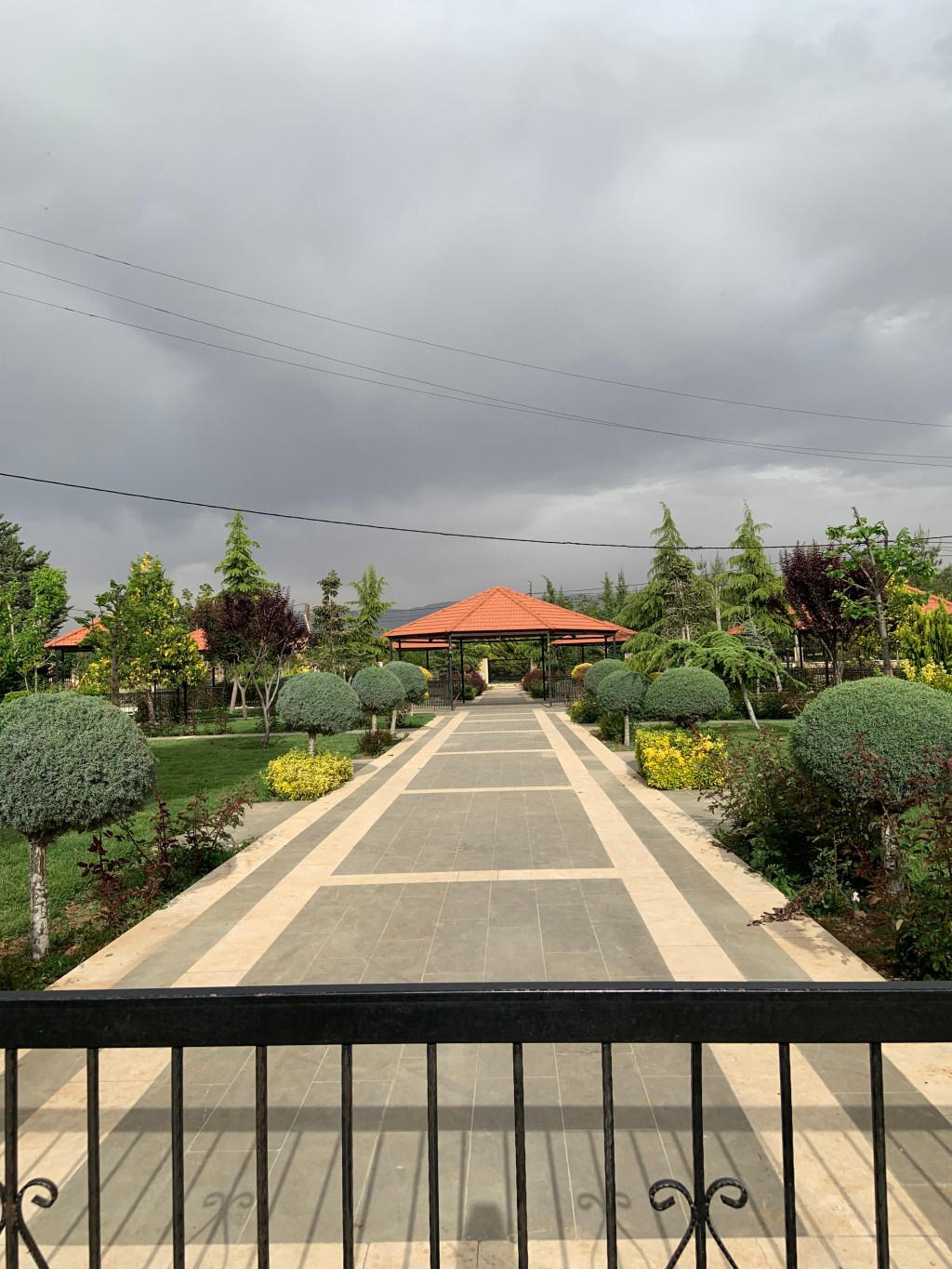
Lebanon is the type of place where every corner tells a story, where the past and present intertwine seamlessly, and where the warmth of its people and the richness of its landscapes leave an indelible mark on your soul. This country’s history is as complex as it is fascinating. It has seen empires rise and fall, each leaving its imprint on the land and its people. In recent history, Lebanon has faced significant challenges, including a civil war that lasted from 1975 to 1990. Despite this, the Lebanese people have shown remarkable resilience and a deep commitment to rebuilding their nation. Today, it is known as a place of refuge, a sanctuary for people of diverse backgrounds and beliefs. This diversity is evident in everything from the country’s cuisine to its religious sites, where churches and mosques often stand side by side.
My trip to Lebanon was nothing short of transformative. It was my second and farthest international trip away from home, yet I found a deep sense of belonging in this beautiful country, almost as if it were my home away from home. The moment I set foot in Beirut, I knew I was in for an unforgettable experience.
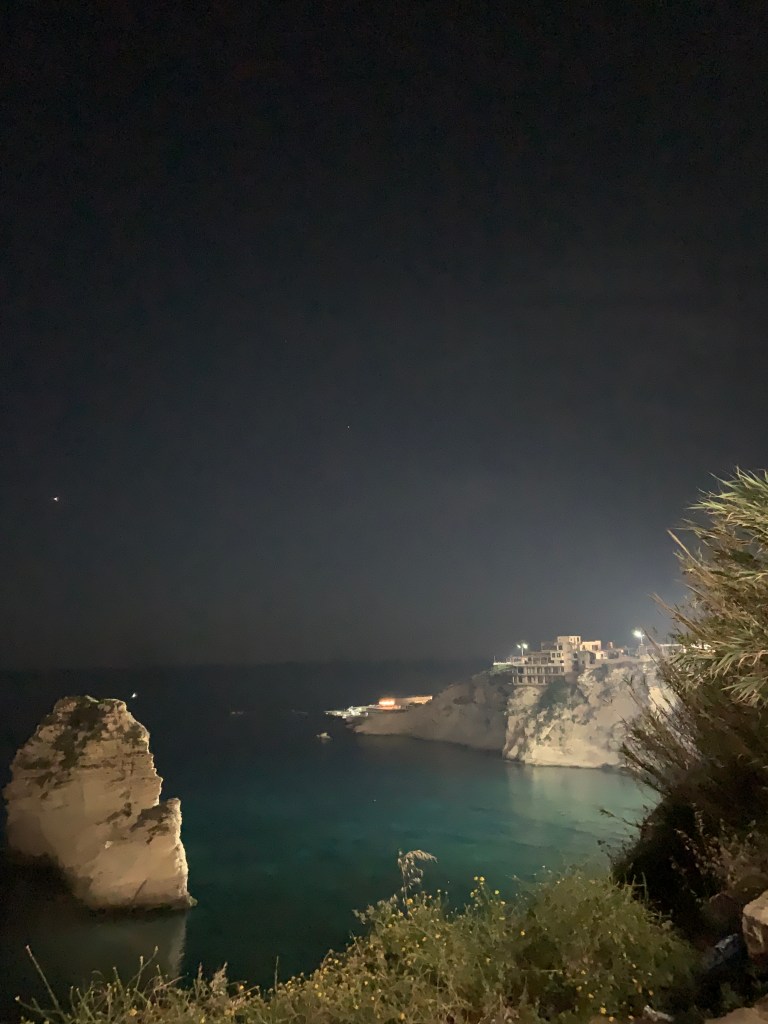
Beirut, the vibrant capital of Lebanon, is a city that pulses with life. Walking through its streets, I was struck by the blend of ancient history and modern development. The city is a melting pot of cultures, with influences from the Phoenicians, Romans, Ottomans, and French all leaving their mark on its architecture and culture. I wandered through the narrow alleys of the Gemmayzeh district, admiring the colorful, old-fashioned buildings with their wrought-iron balconies. The energy of the city was palpable, from the bustling souks to the lively Corniche, where locals and tourists alike gathered to enjoy the Mediterranean breeze.
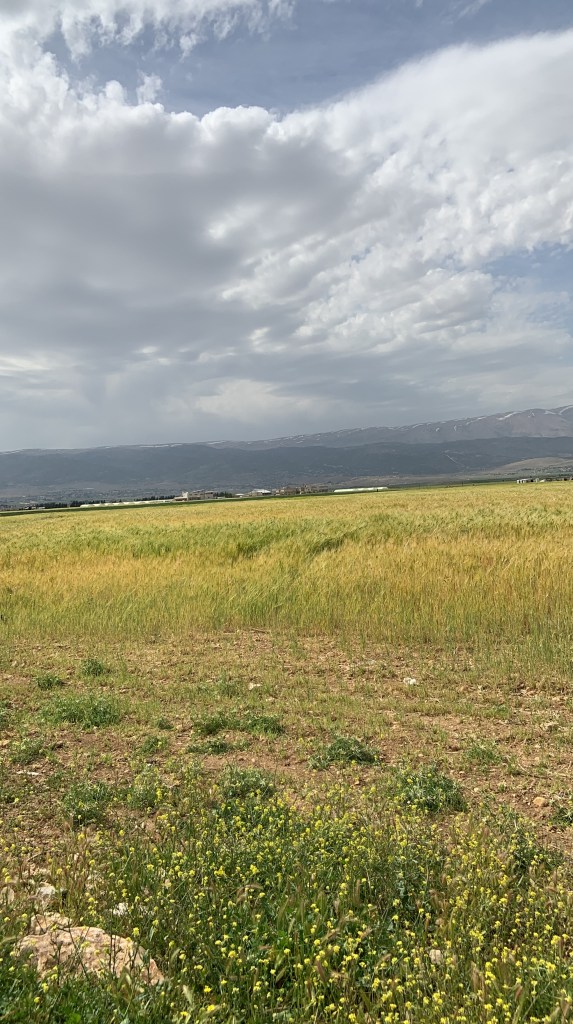
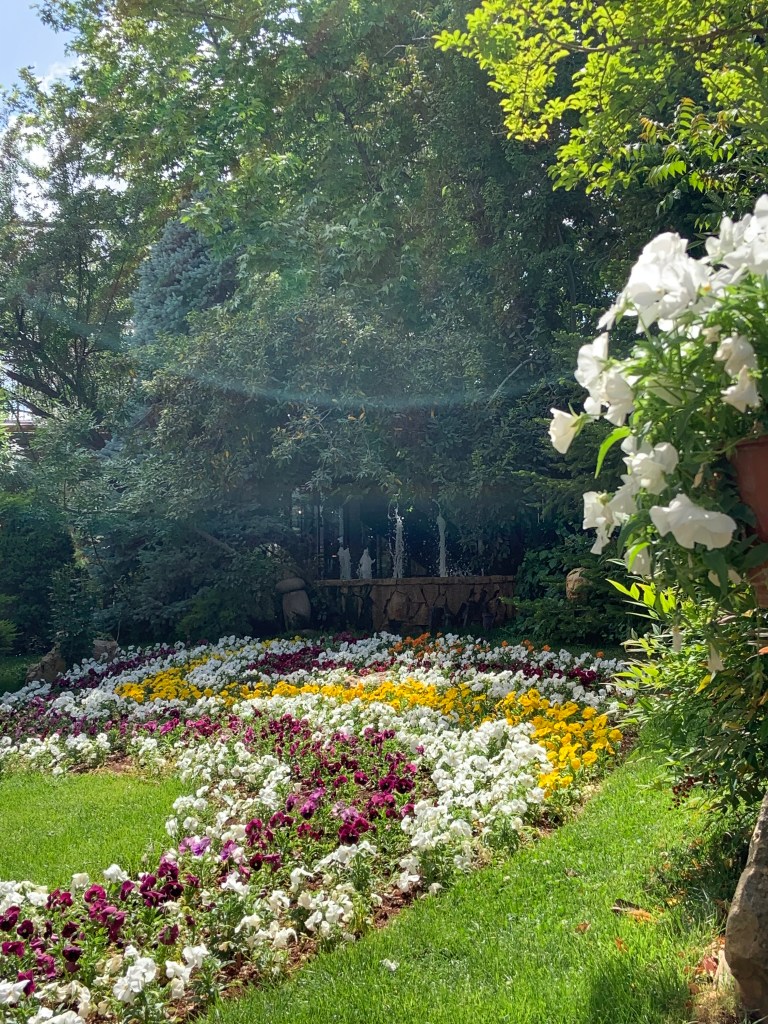
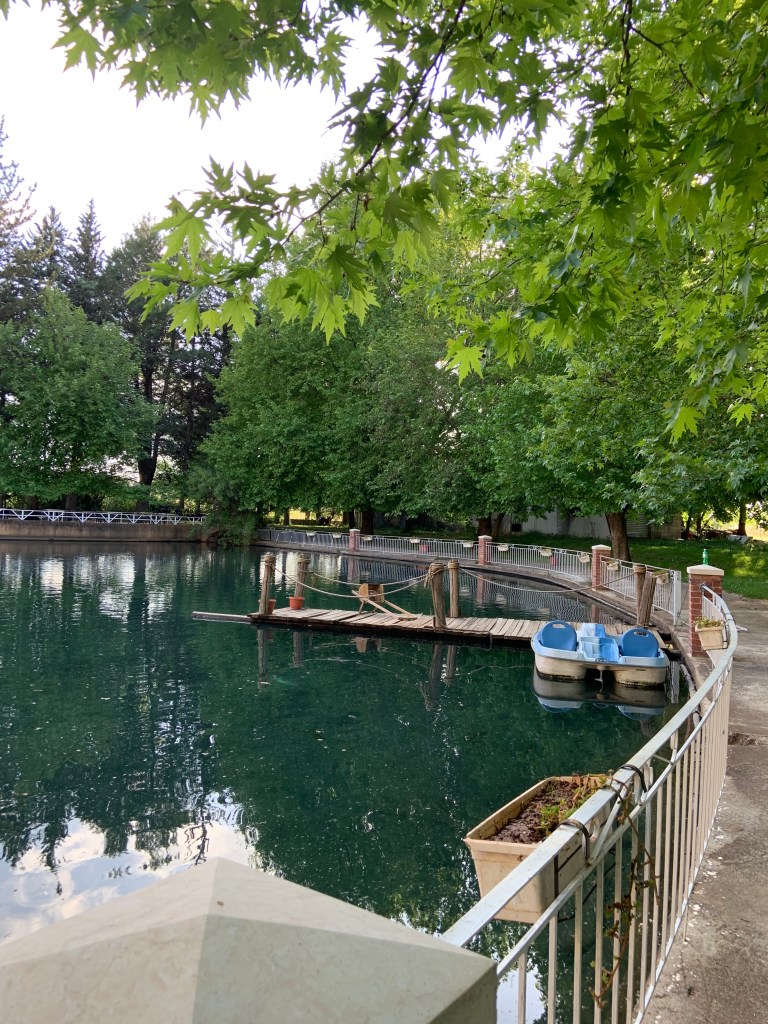
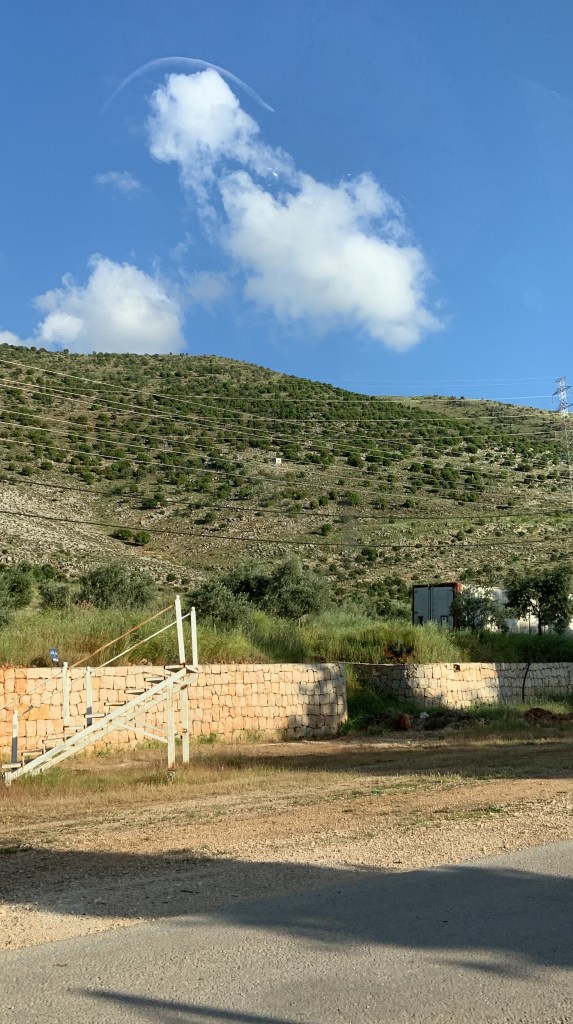
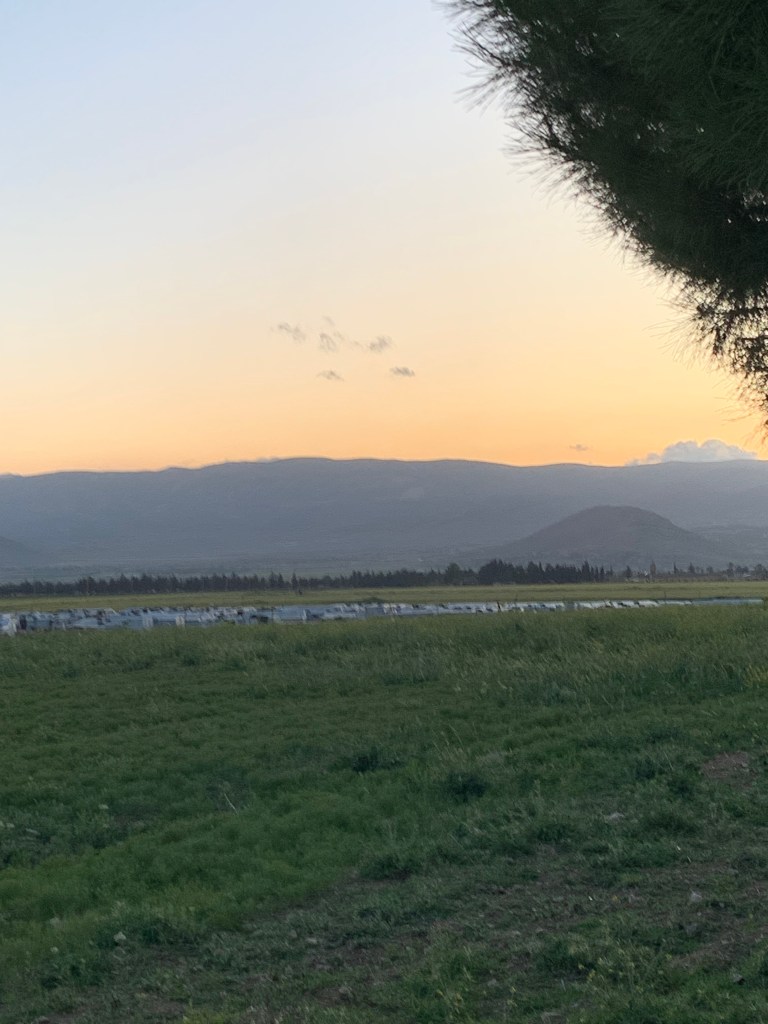
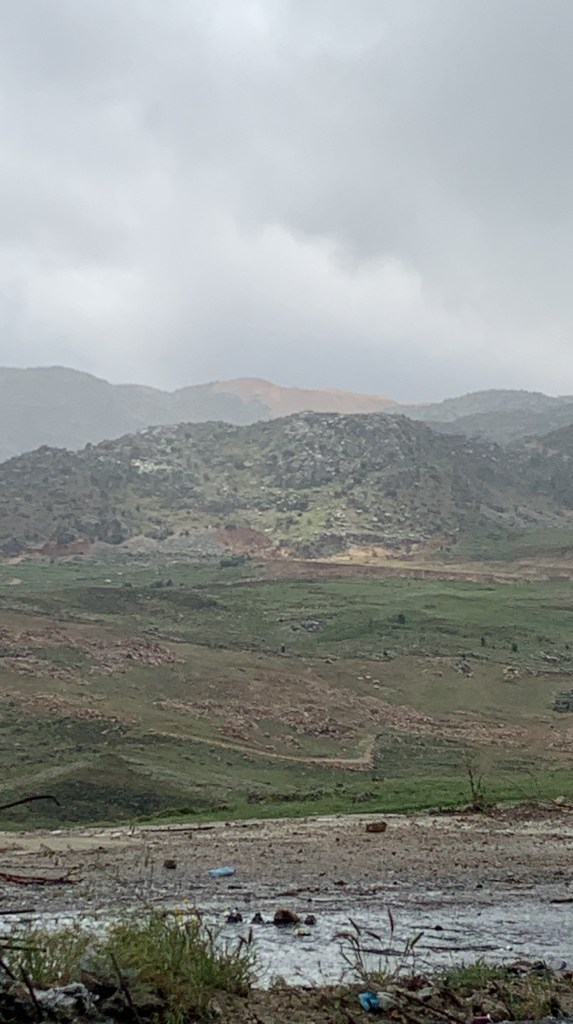
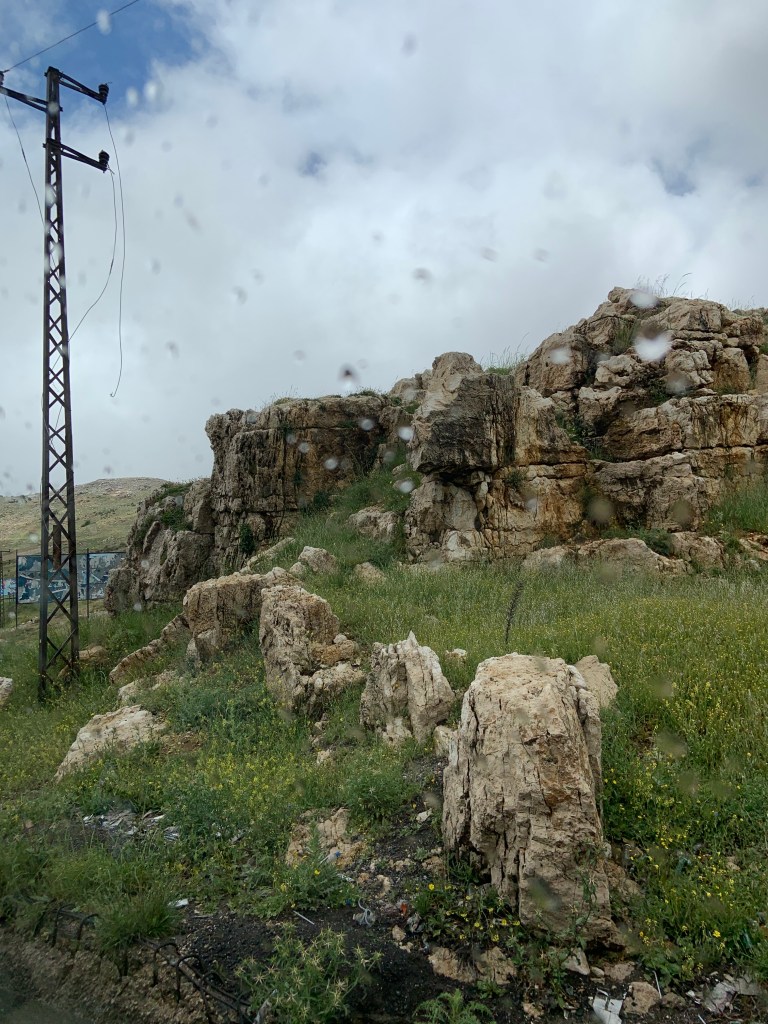
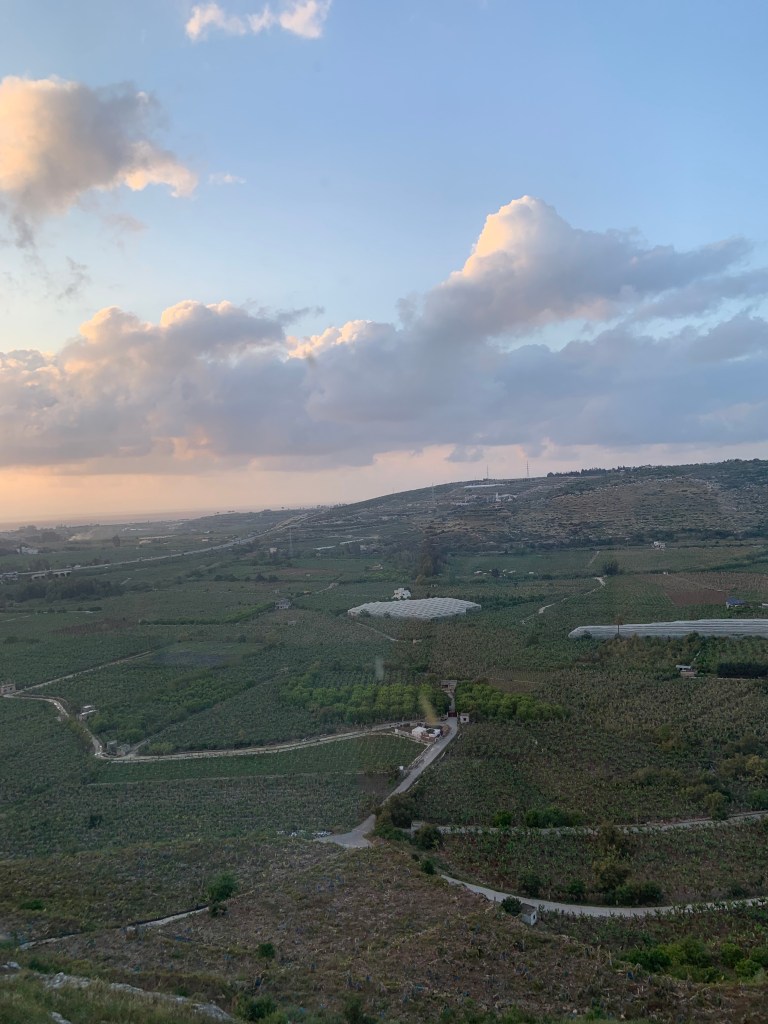
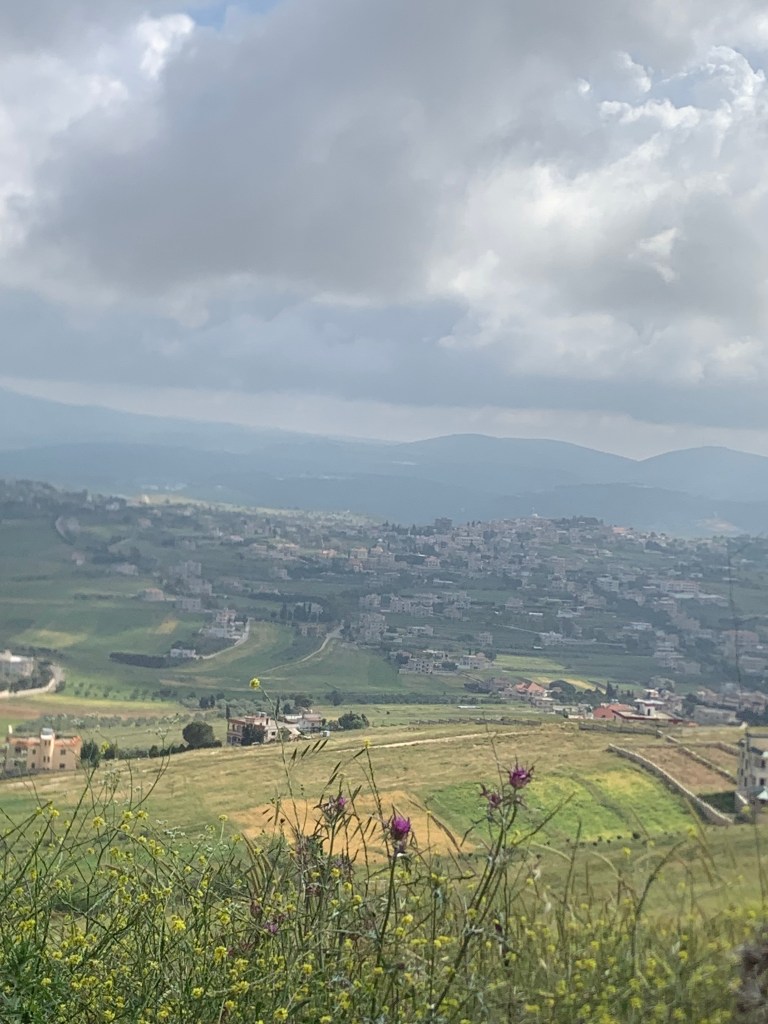
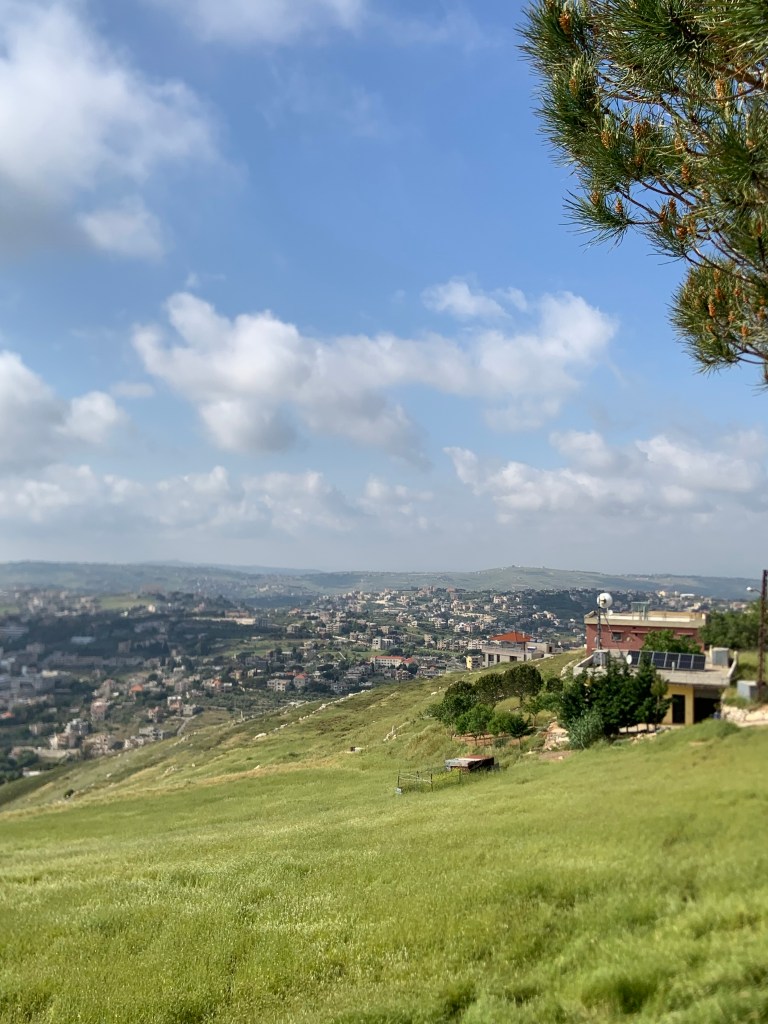
But Beirut was just the beginning. My journey took me south to Bint Jbeil, a town that offered a completely different experience. Nestled in the mountains, Bint Jbeil provided a serene contrast to the fast-paced life of the capital. The landscapes were breathtaking, with rolling hills and green valleys that seemed to stretch on forever. I spent my days here exploring the countryside, visiting small villages, and immersing myself in the local culture. The people of Bint Jbeil were warm and welcoming, and I felt an instant connection to the place. It was here that I began to understand why Lebanon is often referred to as a crossroads of civilizations—a place where different cultures have coexisted for centuries.
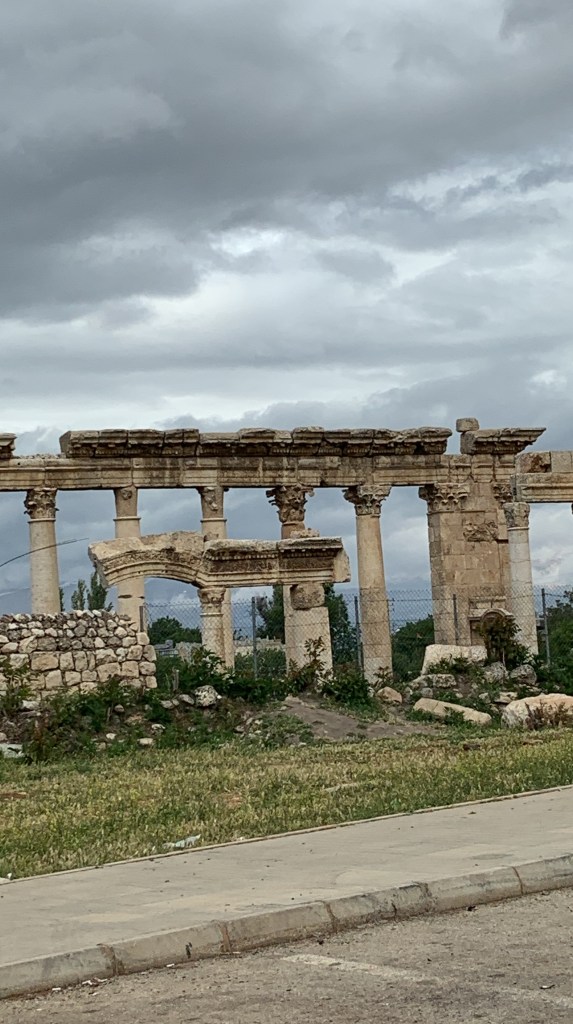
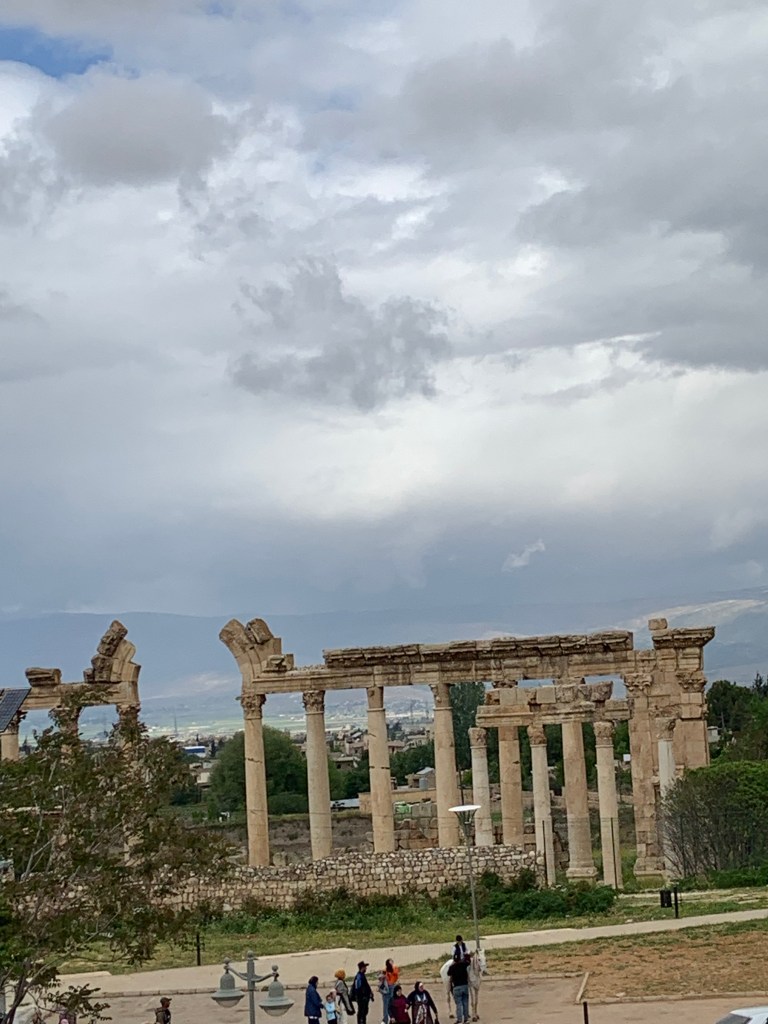
One of the highlights of my trip was visiting Baalbek, home to some of the most well-preserved Roman ruins in the world. The Temple of Bacchus and the Temple of Jupiter stood tall and majestic, a testament to the grandeur of the Roman Empire. As I wandered through the ancient ruins, I could almost feel the weight of history surrounding me. It was a humbling experience, to say the least, and one that left me in awe of Lebanon’s rich cultural heritage.
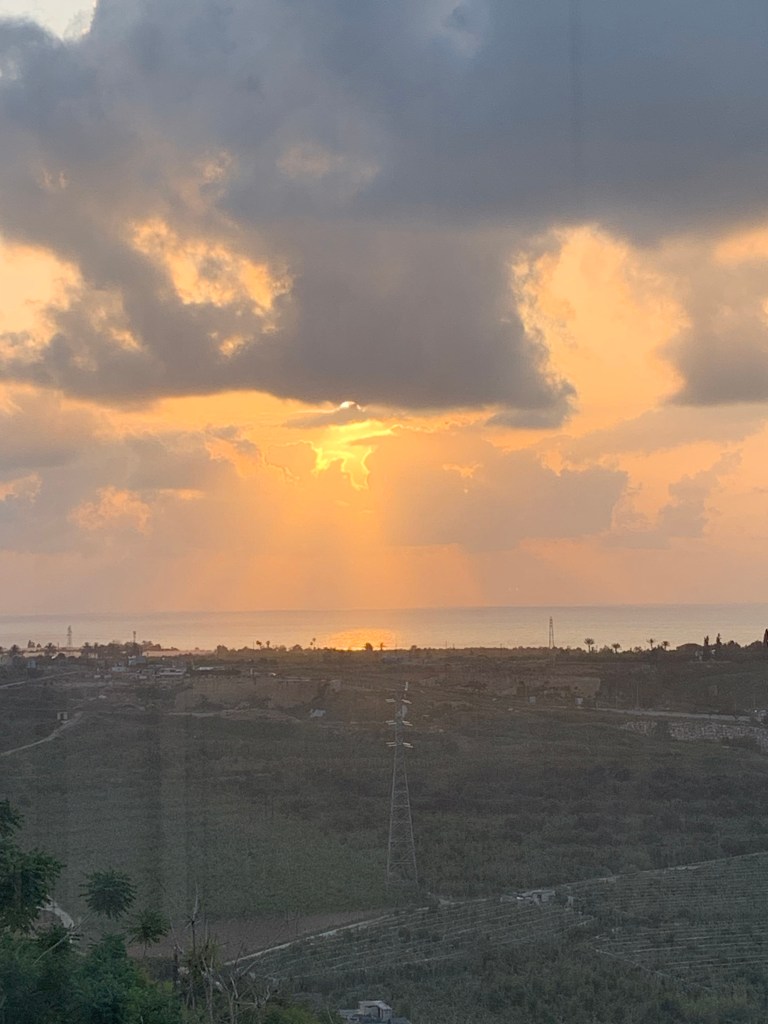
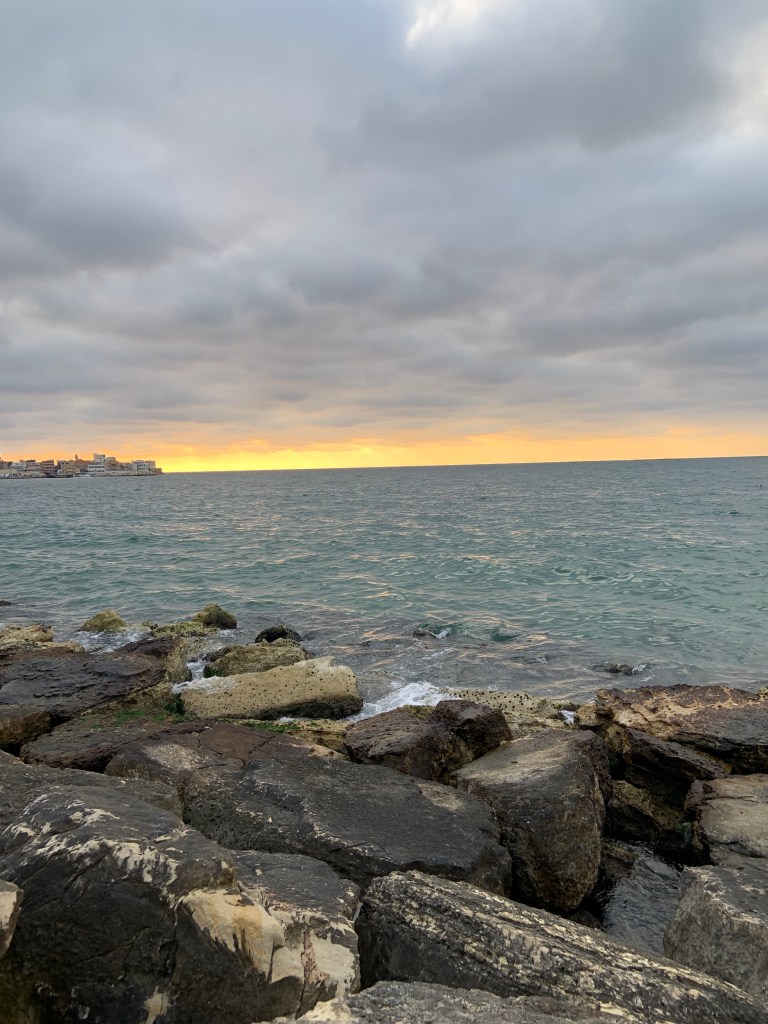
I also ventured to Sour, known to the world as Tyre, one of the oldest continuously inhabited cities in the world. The city’s ancient port and the remnants of its Phoenician and Roman past told stories of a time when Sour was a powerful city-state, a hub of trade and commerce in the Mediterranean. Walking along the coast, I imagined the ships that once sailed these waters, carrying goods and ideas across the ancient world.
The mountainous terrains of Lebanon were another marvel. Driving through the winding roads of Mount Lebanon, I was treated to stunning views of cedar forests, deep gorges, and snow-capped peaks. The Qadisha Valley, a UNESCO World Heritage site, was particularly enchanting. This sacred valley, dotted with ancient monasteries and hermitages, has been a place of refuge for various religious communities over the centuries. The natural beauty of the mountains combined with their spiritual significance made this part of my journey especially meaningful.
Lebanon’s history is as complex as it is fascinating. The country has seen empires rise and fall, each leaving its imprint on the land and its people. In recent history, Lebanon has faced significant challenges, including a civil war that lasted from 1975 to 1990. Despite this, the Lebanese people have shown remarkable resilience and a deep commitment to rebuilding their nation. Today, Lebanon is known as a place of refuge, a sanctuary for people of diverse backgrounds and beliefs. This diversity is evident in everything from the country’s cuisine to its religious sites, where churches and mosques often stand side by side.
As my trip came to an end, I couldn’t help but wish I could stay longer. There was so much more to see and explore, so many more stories to hear and share. Lebanon had captured my heart, and I knew that this would not be my last visit. On my next trip, I plan to stay longer, to delve deeper into the country’s history, to hike more of its mountain trails, and to spend more time with its incredible people. I want to see the ancient ruins of Byblos, visit the Bekaa Valley, and explore the cedar forests of the Chouf. And most importantly, I want to share the beauty and wonder of Lebanon with everyone.
Lebanon is a land of contrasts and surprises, where ancient history and modern life coexist in harmony. It’s a place that has seen more than its share of hardships, yet its people remain hopeful and proud. For me, Lebanon will always be a home away from home, a place that I will carry with me wherever I go. And I can’t wait to return.


What about you? Is there a place you visited and want to go back to? How would you describe your home away from home?


Please like and subscribe!
 MM Exploration
Leave a comment