
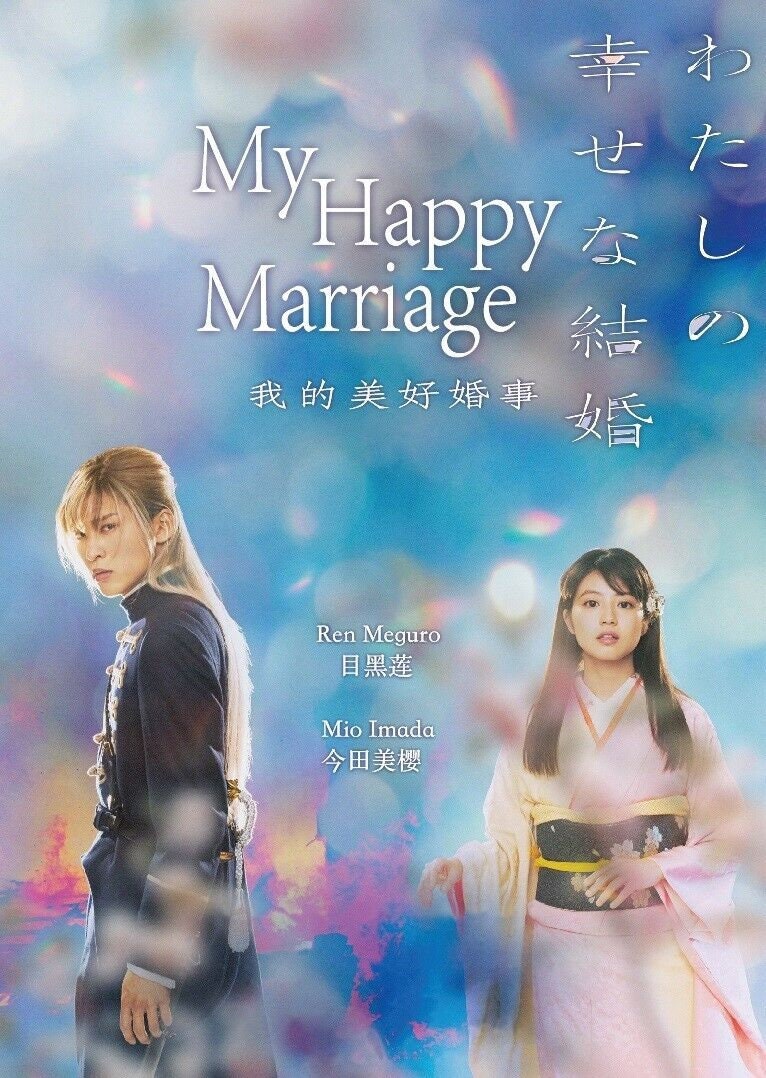
This week, I immersed myself in the enchanting world of anime by watching a movie inspired by a highly acclaimed manga.
Summary
My Happy Marriage is a Japanese romantic fantasy drama film based on Akumi Agitogi’s light novel series. Set in the Meiji era, the story follows Miyo Saimori, a young woman born into a noble family but treated as a servant due to her lack of supernatural abilities, unlike her family members. Stripped of affection and mistreated by her stepmother and stepsister, Miyo is forced into an arranged marriage with Kiyoka Kudo, a cold and seemingly ruthless military commander.
Initially, Miyo expects her new life to mirror the misery of her past, but she slowly discovers that Kiyoka’s stern demeanor hides a kind and protective heart. As the two grow closer, Miyo begins to heal from her emotional wounds and uncovers hidden truths about her own abilities and heritage. The couple must navigate not only their personal struggles but also external threats tied to Kiyoka’s military duties and Miyo’s mysterious family legacy.
The film beautifully weaves themes of love, healing, and self-worth, complemented by its stunning cinematography and a blend of romance and supernatural intrigue. It explores how kindness and understanding can overcome deep scars, offering a heartfelt narrative about finding happiness despite life’s hardships.
5 Most Memorable Scenes
Here are five of the most memorable scenes from My Happy Marriage that capture the essence of the film:
1. Miyo’s Departure from Her Family Home
This pivotal moment establishes Miyo’s bleak reality. Her family’s cold send-off and her quiet acceptance of their treatment evoke both sympathy and admiration for her resilience. It’s a defining moment that sets the tone for her journey of self-discovery.
2. The First Meeting Between Miyo and Kiyoka
Miyo’s initial meeting with Kiyoka is both tense and heartwarming. Kiyoka’s reputation as a cold and unkind man looms large, but their interaction is filled with subtle nuances that hint at the emotional depth of both characters. This scene lays the groundwork for their evolving relationship.
3. Kiyoka’s Gesture of Kindness
A small but meaningful act of kindness from Kiyoka to Miyo marks the turning point in their relationship. This scene stands out for its quiet intensity, showing that even small gestures can have a profound impact on someone who has known only hardship.
4. Miyo’s Awakening to Her Strength
A key moment of growth, this scene highlights Miyo discovering an inner strength she didn’t know she had. It’s a powerful sequence that symbolizes her transformation from a passive victim of circumstance to someone who begins to take control of her destiny.
5. The Climax of Kiyoka’s Battle
The action-packed climax featuring Kiyoka showcases the film’s supernatural elements. His strength and determination shine, and the scene is both thrilling and visually stunning. It also emphasizes the depth of his connection with Miyo without overshadowing the emotional core of the story.
These scenes capture the balance of romance, drama, and fantasy that makes My Happy Marriage so compelling while preserving its surprises.
Themes
The Japanese film My Happy Marriage explores several profound themes, blending romance, fantasy, and social commentary to create a layered narrative. Here’s a detailed discussion of its key themes:
1. Love as Healing and Transformation
At its core, My Happy Marriage is a story about the transformative power of love. Both Miyo and Kiyoka enter their arranged marriage carrying emotional wounds—Miyo from years of mistreatment and neglect, and Kiyoka from his mistrust of others due to his cold reputation. Their growing bond provides a sanctuary for healing and mutual growth. The film shows how love, when rooted in understanding and compassion, can help individuals rediscover their self-worth and find happiness.
2. Overcoming Trauma and Finding Self-Worth
Miyo’s journey is a testament to resilience and self-discovery. Having endured years of emotional and psychological abuse, she starts the film with little self-esteem or confidence. Her transformation—from a timid and submissive individual into someone who begins to assert her value—is a central theme. The film underscores the importance of breaking free from the cycle of trauma and learning to see oneself through the eyes of someone who genuinely cares.
3. Social Expectations and Gender Roles
Set in a historical context, the film reflects societal expectations, especially for women, during the Meiji era. Miyo’s worth is constantly judged based on her perceived utility and ability to conform to societal norms. Her struggles highlight the restrictive roles imposed on women and the lack of agency they often faced. Through her journey, the film challenges these conventions and advocates for individuality and self-expression.
4. Family Dynamics and Abuse
The toxic family environment in which Miyo grows up serves as a stark contrast to the supportive relationship she later finds. Themes of familial obligation, favoritism, and emotional abuse are explored in depth, illustrating how one’s sense of self can be shaped by family. The film critiques such harmful dynamics and portrays the importance of creating one’s chosen family or support system.
5. The Duality of Strength: Physical and Emotional
While Kiyoka’s military prowess represents physical strength, Miyo’s journey emphasizes the importance of emotional resilience. The film juxtaposes these forms of strength, showing that true power lies in a combination of both. It also challenges traditional notions of strength, suggesting that vulnerability and empathy are just as vital.
6. Supernatural Elements as a Metaphor for Identity
The film’s fantasy elements, such as the characters’ supernatural abilities, serve as metaphors for individuality and hidden potential. Miyo’s lack of apparent abilities initially makes her an outcast, but her eventual discovery of her strengths mirrors her emotional and personal awakening. This theme encourages the audience to look beyond societal labels and uncover their own unique capabilities.
7. The Pursuit of Happiness
As suggested by its title, the film is ultimately about finding happiness amidst adversity. Both Miyo and Kiyoka grapple with past hurts and societal pressures, yet they find solace and joy in each other. The story emphasizes that happiness isn’t always about external circumstances—it’s about finding meaning, love, and strength within oneself and in relationships.
By weaving these themes together, My Happy Marriage delivers a heartfelt narrative that resonates on both an emotional and intellectual level. Its universal messages of love, resilience, and self-worth make it a deeply moving film.
Personal Review
I have to admit, I was skeptical about watching My Happy Marriage at first. I’ve never been particularly interested in manga, and I wasn’t sure if this film adaptation would be something I’d enjoy. But I was proven so wrong—this film has completely won me over and has become my favorite Japanese movie to date.
What captivated me the most was the fresh idea of blending a new supernatural world with a heartfelt love story. The pure and innocent romance between Miyo and Kiyoka made my heart soar throughout the film. Watching their relationship slowly develop, from cautious strangers to a bond rooted in trust and love, was nothing short of magical. It’s the kind of love story that feels genuine, pulling you in with its tenderness and emotional depth.
The action scenes in the film were another highlight for me. Seeing Kiyoka unleash his powerful abilities was exhilarating, and it added an edge of thrill to the story. But what truly struck a chord was Miyo’s journey of discovering her own powers. Her growth from someone who felt powerless and unworthy to someone who begins to embrace her strength was incredibly moving and inspiring.
The beauty of the film is not just in its story but also in its breathtaking setting. The historical Meiji-era backdrop, with its traditional architecture and lush landscapes, provides a stunning visual experience. Every frame feels carefully crafted, immersing you in a world that’s both grounded in reality and touched with fantasy. The cinematography enhances the emotional tone of the story, making every moment, whether tender or intense, feel unforgettable.
For fans of manga and action, this movie is a must-watch. It brings to life the kind of storytelling and aesthetic you’d expect from your favorite anime, offering a live-action experience that stays true to its roots while feeling fresh and cinematic. And for those who love supernatural films, this is an absolute gem. The integration of fantastical elements into a deeply human story creates a captivating narrative that appeals to a wide audience.
My Happy Marriage is a film I wholeheartedly recommend. Whether you’re a manga enthusiast or just someone looking for a beautiful, heartwarming story, this movie has something for everyone. It surprised me in the best way possible, and I’m sure it will leave a lasting impression on you, too.
Next week…
For next week’s film, I’l be heading back to the Phillipines, here’s a small summary of what to expect:
A heartwarming Filipino romantic drama that explores themes of love, personal growth, and redemption. The story follows a charming but flawed young man who takes on a seemingly innocent challenge involving a quiet and reserved girl. What begins as a lighthearted endeavor soon transforms into a journey of self-discovery for both characters, as they navigate unexpected emotions and face the complexities of their own insecurities and past mistakes. Set against vibrant backdrops, the film combines humor, heartfelt moments, and a message about embracing authenticity and learning to love oneself. It’s a captivating tale that resonates with anyone who appreciates stories of transformation and genuine connection.
Look out for this week’s TV Drama post, for the song of the week!
Check out my social media sites:
Facebook: MM Exploration
Instagram: meganmay235
X (Twitter): MeganMay235
 MM Exploration
Leave a comment