These past two weeks, I watched a Turkish drama that took me on an emotional rollercoaster, evoking feelings of love and happiness, as well as anger and frustration.
Summary
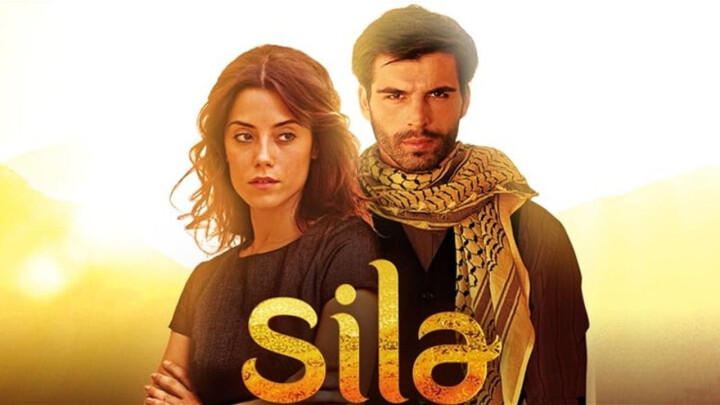
Sıla is a Turkish drama series that aired between 2006 and 2008, starring Cansu Dere and Mehmet Akif Alakurt in the lead roles. The story follows Sıla (Cansu Dere), a young woman who was taken from her family in Mardin as a child and raised in Istanbul by an affluent adoptive family. Unaware of her true origins, she is lured back to Mardin under false pretenses, only to be forced into marriage with Boran Ağa (Mehmet Akif Alakurt), a powerful tribal leader, as part of a traditional blood debt. Despite the initial hostility between them, Sıla and Boran eventually develop a deep love for each other, challenging the oppressive customs that dictate their lives. The series explores themes of love, tradition, and female empowerment as Sıla fights for her freedom and justice in a society bound by rigid traditions. The gripping narrative, along with strong performances by Dere and Alakurt, made Sıla a popular and internationally recognized drama that I would gladly binge-watch.
5 Most Memorable Scenes
Sıla is filled with emotionally charged and visually striking moments that make it a memorable drama. Here are five standout scenes that left a lasting impact on viewers:
1. Sıla’s Return to Mardin – One of the most pivotal moments in the series is when Sıla arrives in Mardin, completely unaware of the reality awaiting her. The contrast between the modern, carefree life she led in Istanbul and the deeply traditional world she is suddenly thrust into is striking. The cinematography beautifully captures her sense of confusion and isolation, setting the stage for the challenges ahead.
2. The Forced Wedding Ceremony – This scene is a powerful representation of tradition versus personal freedom. The intricate wedding rituals, the solemn expressions, and Sıla’s silent resistance make this moment incredibly intense. The visual storytelling highlights the weight of customs and the emotional turmoil of both Sıla and Boran.
3. Boran’s Protective Instincts – A key turning point in the series is when Boran takes a stand for Sıla in a moment of crisis. His silent yet determined actions showcase his evolving feelings toward her. This scene is memorable because it marks a shift in their dynamic, hinting at a deeper bond beyond their forced union.
4. Sıla’s Escape Attempt – A gripping and suspenseful moment occurs when Sıla tries to break free from the constraints placed upon her. The tension, the fear, and her sheer determination to reclaim her life make this an unforgettable sequence. It underscores her resilience and unwillingness to conform to an oppressive fate.
5. The Final Confrontation – Without giving away any major spoilers, one of the most intense scenes comes toward the end of the series when long-brewing conflicts reach a boiling point. This scene encapsulates the themes of justice, love, and defiance against oppressive traditions. It’s emotionally charged and leaves a lasting impact on both the characters and the audience.
Each of these scenes contributes to Sıla’s emotional depth, making it a compelling watch that resonates with audiences long after the final episode.
Themes
Sıla explores several powerful themes that drive its emotional depth and social commentary. Here are some of the most significant themes in the series:
1. Tradition vs. Modernity
A central conflict in Sıla is the clash between deep-rooted traditions and modern values. Sıla, who was raised in Istanbul with a contemporary mindset, is suddenly confronted with the rigid customs of Mardin, where honor, family loyalty, and patriarchal structures dictate people’s lives. The series highlights how these customs often conflict with individual rights, especially for women.
2. Female Empowerment and Resistance
Sıla’s journey is one of resilience and empowerment. She is a strong female protagonist who refuses to accept the injustices imposed upon her. The series portrays her struggle for autonomy and the right to make her own choices, making a strong statement about women’s empowerment in the face of societal oppression.
3. Love and Transformation
Love plays a transformative role in Sıla. The evolving relationship between Sıla and Boran is a major theme, showing how love can challenge ingrained beliefs and soften hardened perspectives. Their dynamic reflects the tension between duty and personal emotions, as they navigate an arranged marriage forced by circumstance.
4. Honor and Family Loyalty
The show delves into the concept of “namus” (honor) and how it dictates family decisions, often at the expense of individual happiness. Boran, as a tribal leader, is bound by these cultural expectations, and much of the drama arises from his struggle between adhering to tradition and following his conscience.
5. Freedom and Justice
Throughout the series, Sıla fights for freedom—not just for herself, but for others trapped in similar circumstances. The show critiques outdated practices that hinder personal liberty and explores the struggle to create justice in a society where laws and customs are often at odds.
6. Cultural Identity and Belonging
Sıla’s journey also touches on the theme of identity. Raised in a modern city, she is suddenly expected to embrace a culture she never knew. Her internal conflict highlights the challenges of belonging and adapting to different cultural expectations.
These themes give Sıla its emotional depth and societal relevance, making it more than just a romantic drama—it’s also a powerful exploration of cultural conflict, personal strength, and the fight for justice.
Personal Review
Sıla is one of those dramas that left me feeling a mix of emotions—thrilled, frustrated, heartbroken, and deeply moved. From the very first episode, the series pulled me into its world of rigid traditions, unexpected love, and the constant battle between fate and free will. It was as exhilarating as it was heartbreaking, filled with moments of suspense that had me at the edge of my seat and others that made me want to scream in frustration.
One of the most striking aspects of Sıla was how much of the conflict between Sıla and Boran stemmed from poor communication. So many of their struggles could have been avoided if they had just spoken honestly to one another from the start. Misunderstandings, outside manipulation, and deeply ingrained customs constantly tested their relationship, making every small victory in their love story feel even more rewarding. And yet, despite these obstacles, the way their love developed—from a forced union filled with resentment to an unbreakable bond—was what truly made this drama worth watching over and over again. Their relationship was complicated, passionate, and deeply emotional, and watching Boran evolve alongside Sıla was one of the most compelling aspects of the show.
There were scenes in Sıla that were so painful and heartbreaking that I found myself in tears. The show does not shy away from the brutal realities of its themes, particularly the struggles of women trapped in oppressive traditions. The emotional weight of certain moments, especially those dealing with loss, sacrifice, and injustice, hit hard. Yet, these moments were balanced with scenes of hope, love, and resilience, making the emotional journey well worth it.
Beyond the romance, the dynamics of the show were fascinating. The power struggles between tradition and modernity, the complexities of family loyalty, and the weight of honor in a tightly controlled society all played a major role in shaping the narrative. The show also did an incredible job of portraying the beauty and harsh realities of Mardin’s culture, with its breathtaking scenery and deep-rooted customs adding authenticity to the story.
If you’re looking for a drama that blends suspense, romance, and social commentary, Sıla is a perfect choice. It’s an emotional rollercoaster that keeps you invested from beginning to end, with unforgettable performances and a love story that stands the test of time. Despite its frustrating moments, its depth and emotional intensity make it a must-watch for any fan of romantic dramas with a strong, meaningful message.
Content warning: Sıla contains themes of forced marriage, patriarchal oppression, violence, and emotional distress. Some scenes depict intense emotional and physical struggles, including coercion and injustice rooted in cultural traditions. Viewer discretion is advised, especially for those sensitive to themes of abuse and gender inequality.
Song of the week:
Next Week:
In the coming week, I’ll be visiting Mexico to watch a Spanish Telenovela, here’s a view of what you can expect:
A young, ambitious engineering student, devoted to her faith and determined to be the first in her family to graduate, has her life turned upside down after a medical clinic mistakenly performs an artificial insemination during a routine check-up. The biological father, a successful businessman who recently survived a life-threatening illness, sees this unexpected event as a chance to secure his legacy. As their worlds collide, they must navigate complex emotions, societal expectations, and personal aspirations, leading to a transformative journey neither anticipated.
Check Out my Social Media Sites!
X (Twitter): MeganMay235
 MM Exploration
Leave a comment